
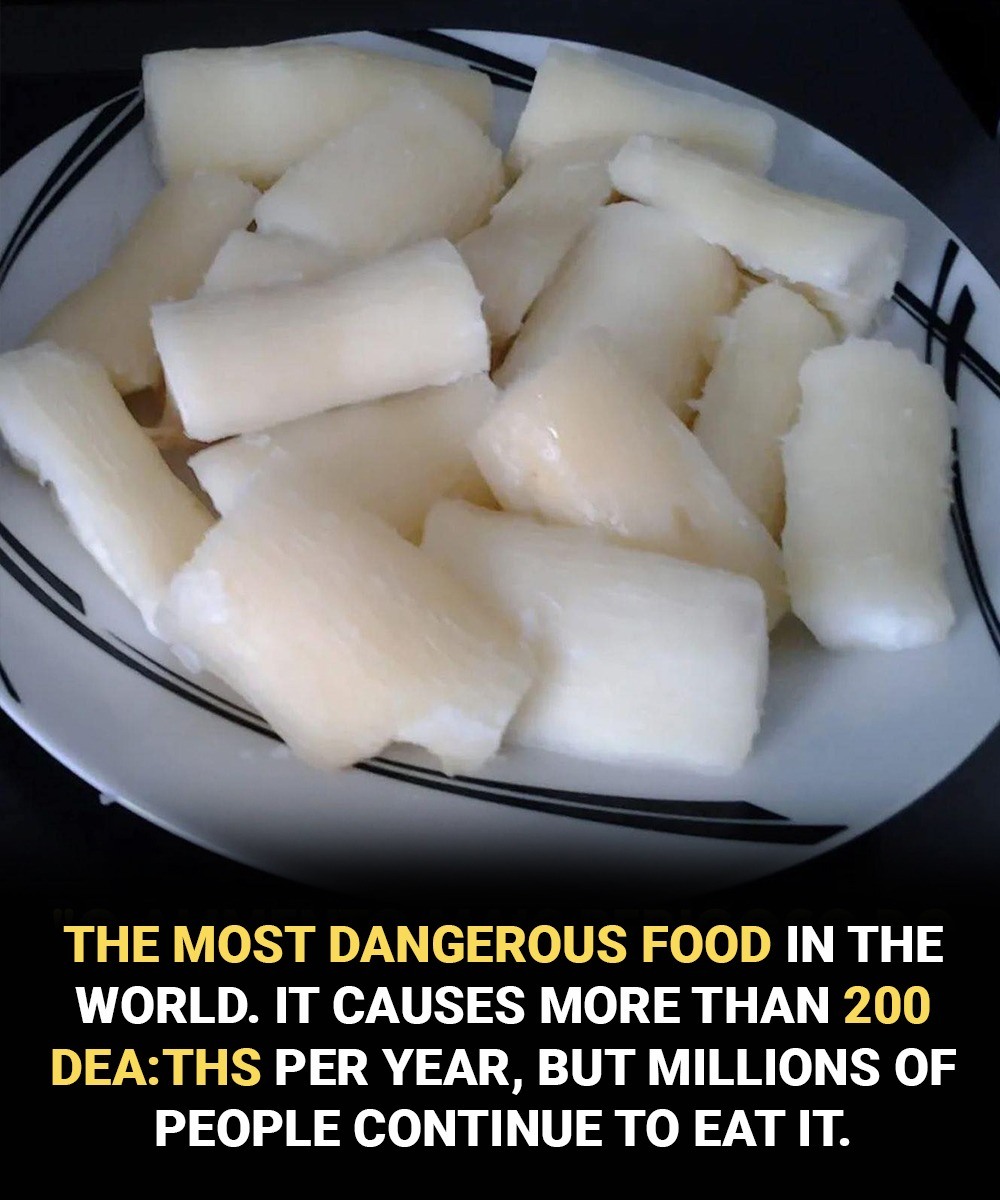
You’ve likely eaten cassava without even knowing it.
As flour in gluten-free bread.
As tapioca pearls in bubble tea.
Or boiled like a potato in stews and side dishes.
Cassava (Manihot esculenta) is one of the most vital crops on Earth — a calorie-rich, drought-resistant root that feeds hundreds of millions across the tropics.
But behind its humble appearance lies a hidden danger:
 Some varieties of cassava contain cyanogenic glycosides — natural compounds that can release hydrogen cyanide when consumed raw or poorly processed.
And if not handled correctly?
This everyday food can become poisonous — leading to acute poisoning, long-term neurological damage, and even outbreaks of disease.
Let’s explore what makes cassava dangerous when mishandled — and how traditional methods make it safe.
Because real food security isn’t just about feeding people.
It’s about feeding them safely.
 What Is Cassava?
Cassava is a starchy tuber native to South America but now grown widely in tropical regions.
There are two main types:
Type
Cyanide Level
Common Use
 Sweet cassava
Low toxin levels
Often eaten fresh or boiled
Bitter cassava
High toxin levels
Must be processed before eating
 Bitter cassava is more productive and drought-tolerant — so it’s more commonly grown — but also far more dangerous if not prepared properly.
 How Can Cassava Be Poisonous?
Cassava naturally contains linamarin and lotaustralin — chemicals that turn into hydrogen cyanide (HCN) when the plant cells are damaged (e.g., during peeling, grating, or chewing).
Your body can detoxify small amounts of cyanide — but large doses overwhelm this system, blocking oxygen use at the cellular level.
 Just 50 mg of pure hydrogen cyanide can be lethal.
 Symptoms of acute cyanide poisoning include:
Headache
Dizziness
Nausea and vomiting
Rapid breathing
Convulsions
In severe cases: respiratory failure and death
Chronic exposure to low levels — especially during famine or drought — can lead to konzo, a paralytic disease.
 Konzo: A Neurological Disease Linked to Poorly Processed Cassava
Konzo (from the Yaka word meaning “tied legs”) is a sudden-onset, irreversible paralysis of the legs caused by chronic cyanide exposure — primarily from eating inadequately processed bitter cassava during times of food scarcity.
Where It Occurs:
Rural parts of Democratic Republic of Congo, Central African Republic, Tanzania, and Mozambique
Who’s Most at Risk:
Children and women (often primary consumers)
Communities with limited water or fuel for processing
Outbreaks typically follow droughts or conflict, when proper preparation methods are skipped to save time or resources.
While preventable, konzo remains a public health issue in some areas due to poverty, lack of education, and climate stress.
Safe Preparation: How to Remove Cyanide from Cassava
The good news?
Traditional processing techniques are highly effective at removing cyanide — when followed correctly.
Here’s how different cultures safely prepare cassava:
1. Peeling
Toxins are concentrated in the peel — always remove thoroughly.
2. Soaking
Submerge in water for 48–72 hours — leaches out up to 80% of cyanide
Fermentation during soaking breaks down harmful compounds
 Common in West Africa (fufu, gari)
3. Grating & Squeezing
Grate roots and squeeze pulp in cloth to extract bitter juice
This removes both moisture and cyanide
 Used in making farinha (Brazil), lafun (Nigeria)
4. Drying
Sun-dry grated cassava — further reduces toxins through evaporation
Final product: dry flour or granules
 UV light helps break down residual compounds.
5. Cooking
Boiling, roasting, or frying destroys remaining cyanide
Never eat raw or undercooked cassava
 Heat + moisture = detoxification
 Key Safety Tips for Consumers
Even if you buy cassava pre-packaged, take these precautions:
NEXT PAGE
ADVERTISEMENT
