
Tip
Why It Matters
 Buy from reputable sources
Commercial tapioca, garri, or frozen yuca are usually safe
Peel thickly
Remove all outer layers
Soak before cooking
Even sweet varieties benefit from soaking
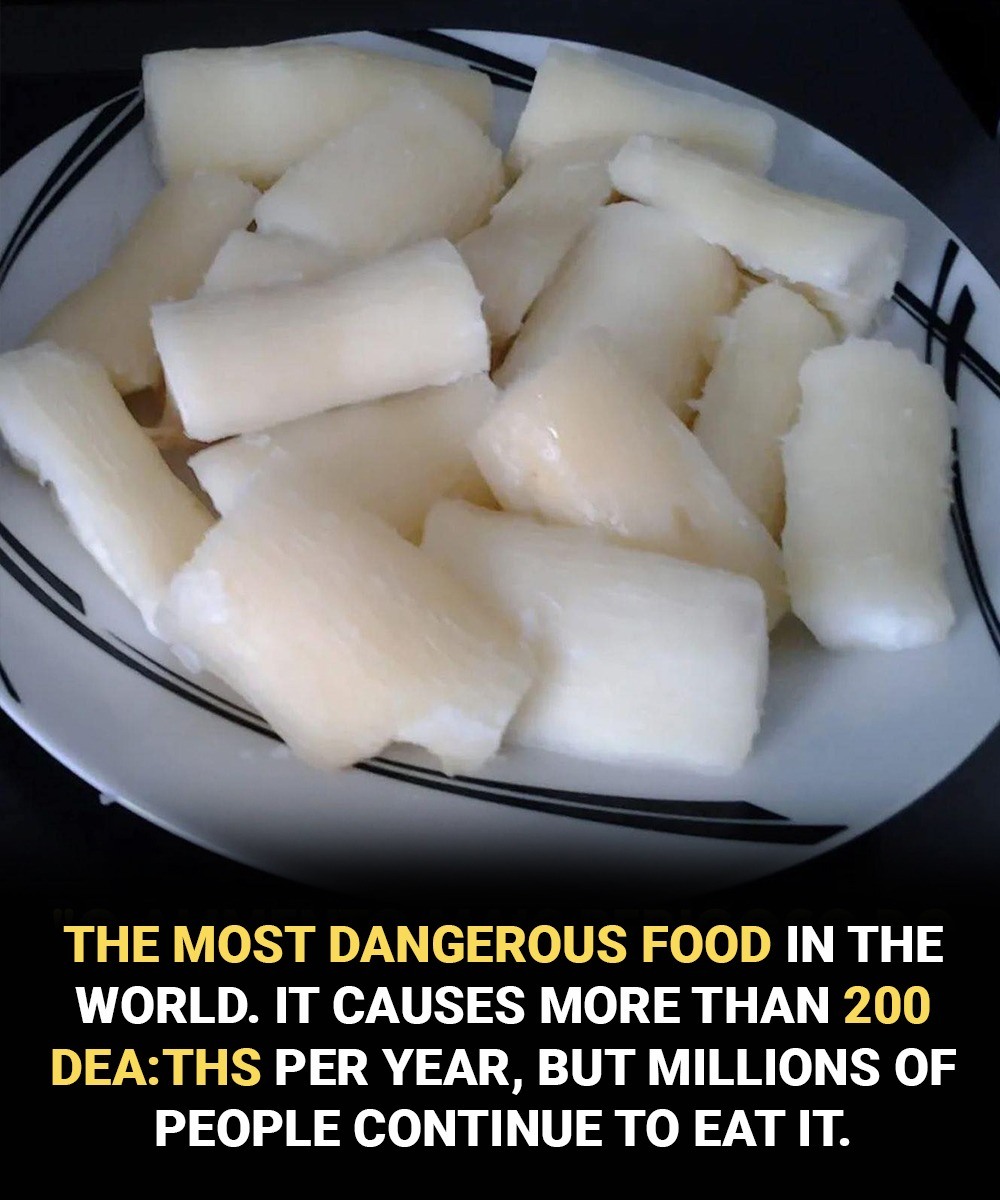
Cook thoroughly
Boil for at least 30 minutes; test with a fork — no hard center
Ventilate well when cooking
Cyanide gas can escape into the air — cook in open or well-ventilated spaces
 Avoid consuming cassava-based foods daily if they’re your only dietary staple — diversify with other grains and proteins.
 Public Health Efforts to Reduce Risk
Organizations like the FAO, WHO, and CDC support safer cassava cultivation and processing through:
Promoting low-cyanide cultivars
Teaching improved processing techniques
Distributing mechanical graters and presses
Educating communities on risks
 Biofortified and low-toxin varieties are being developed to reduce reliance on labor-intensive processing.
 Debunking the Myths
Myth
Truth
“All cassava is dangerous”
False — properly processed cassava is safe and nutritious
“Only wild cassava is toxic”
No — even cultivated bitter varieties require processing
“Tapioca pearls are unsafe”
Not true — commercial production includes detox steps
“I can smell the poison”
Dangerous myth — cyanide may not have a strong odor once released
Final Thoughts
You don’t need to fear cassava — especially if you’re buying it pre-processed.
But you do deserve to know the truth behind one of the world’s most essential foods.
So next time you’re stirring tapioca pudding or roasting yuca fries…
pause.
Respect the root.
Honor the knowledge passed down through generations.
Prepare it with care.
Because real nourishment isn’t just about calories.
It’s about tradition, science, and safety — working together to feed the world.
And that kind of wisdom?
It grows deeper than any tuber ever could.
ADVERTISEMENT
