
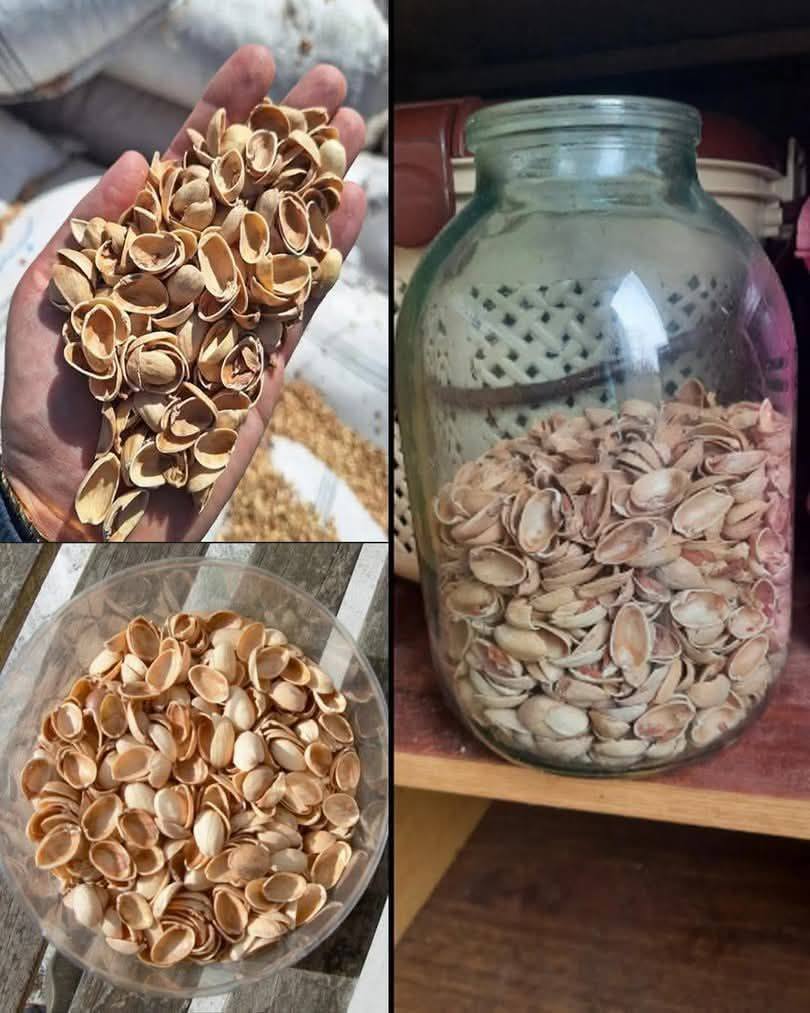
Chapter 1: The Hidden Anatomy of a Pistachio Shell—Why It’s a Garden Powerhouse
To appreciate their value, we must first understand what pistachio shells are. They are not inert waste. They are the protective, lignocellulosic armor of the pistachio seed, evolved by nature to be durable and mineral-rich.
A Structural and Nutritional Profile:
-
Biodegradable Lignin & Cellulose: The primary structural components. They decompose slowly, providing long-lasting soil aeration without breaking down too quickly and causing nitrogen depletion.
-
Mineral Reservoir: Shells sequester minerals absorbed by the pistachio tree. Powdered analysis shows notable levels of:
-
Calcium (Ca): Crucial for cell wall structure, root development, and mitigating soil acidity.
-
Potassium (K): The “quality element,” vital for flowering, fruiting, disease resistance, and regulating water uptake.
-
Phosphorus (P): Essential for energy transfer, root growth, and seed formation.
-
-
Carbon-Rich: As a “brown” material, they are an excellent carbon source for compost, balancing nitrogen-rich “greens.”
-
Physical Properties: Their inherent hardness and slightly abrasive texture, when processed, create permanent pore spaces in soil and form a defensive barrier against pests.
The Ecological Equation:
Using shells closes a consumption loop. Instead of directing this organic material to a landfill where it decomposes anaerobically (potentially producing methane), you are repatriating its nutrients and structure back to the earth. It’s a quintessential act of circular gardening.
Chapter 2: Meticulous Preparation—The Critical First Steps
Safety First: The Salt Imperative.
Commercially sold pistachios are often roasted with salt, oils, and sometimes flavorings. Introducing concentrated salt directly to your soil is a recipe for disaster, causing osmotic stress that dehydrates plant roots and can lead to death. Therefore, preparation is non-negotiable.
Step 1: The Purification Process
-
Collect & Rinse: Gather shells in a colander. Rinse thoroughly under warm running water to dislodge surface salt and dust.
-
The Detox Soak: Submerge the shells in a large bowl of hot water for 30-60 minutes. This hydrates the shells and draws out embedded salts. For heavily salted shells, consider a second soak with fresh water.
-
Final Rinse & Drain: Give them a final vigorous rinse.
-
Complete Drying: This is crucial. Spread shells in a single layer on baking sheets, mesh screens, or towels. Air-dry for 24-48 hours, or use an oven on its lowest setting (under 200°F/93°C) with the door slightly ajar for 1-2 hours. They must be bone-dry to grind effectively and prevent mold in storage.
Chapter 3: The Transformation—Grinding Techniques for Every Gardener
continued on the next page
ADVERTISEMENT
