
3. Instructions
-
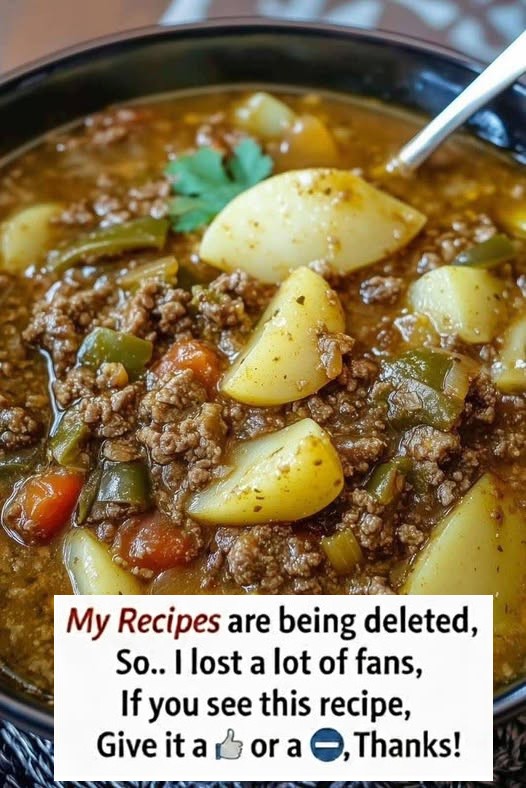
Brown the Beef: In a large pot or Dutch oven, heat olive oil over medium heat. Add the ground beef and cook until fully browned, breaking it up with a spoon. Drain any excess fat if necessary.
-
Sauté Aromatics: Add the diced onion and green bell peppers to the pot. Cook for 3–5 minutes until the onions are translucent. Stir in the minced garlic and cook for another minute until fragrant.
-
Incorporate Paste & Carrots: Stir in the tomato paste and sliced carrots, cooking for 2 minutes to allow the paste to deepen in color and flavor.
-
Simmer: Add the potato chunks, beef broth (or water), dried thyme, salt, and pepper. Bring the mixture to a gentle boil.
-
Cook: Once boiling, reduce the heat to low and cover with a lid. Simmer for 25–30 minutes, or until the potatoes and carrots are perfectly fork-tender.
-
Rest & Serve: Remove from heat and let the stew rest for 5 minutes. This allows the sauce to thicken slightly. Serve hot in deep bowls.
4. Variations
-
Spiced Heat: Add a pinch of red pepper flakes or smoked paprika for a warm, smoky kick.
-
Vegetable Medley: Stir in a cup of frozen peas or corn during the last 5 minutes of cooking for extra color and sweetness.
-
Thick & Creamy: For a thicker texture, mash a few of the cooked potato chunks against the side of the pot to release their starch into the broth.
5. Serving and Storage
-
Serving: This stew is traditionally served with a side of white rice, crusty bread, or a bowl of plain yogurt to balance the savory notes.
-
Storage: Store leftovers in an airtight container in the refrigerator for up to 4 days. The flavor often improves on the second day as the ingredients further meld.
-
Reheating: Reheat on the stovetop over low heat. If the stew has become too thick, add a splash of water or broth to reach your desired consistency.
6. Benefits
-
Balanced Nutrition: Provides a healthy mix of high-quality protein, dietary fiber, and complex carbohydrates in a single serving.
-
Budget-Friendly: Uses pantry staples and affordable cuts of meat, making it an economical choice for large families.
-
High Satiety: The combination of starch and protein keeps you feeling full and satisfied for longer.
7. History of Ground Beef and Potato Stew
The history of the ground beef and potato stew is a fascinating journey through culinary globalization and the evolution of humble ingredients into a universal staple. This dish, at its core, represents the marriage of the Old World and the New World. While meat stews have been prepared in Europe and the Near East for millennia, the introduction of the potato—a tuber native to the Peruvian Andes—forever changed the landscape of the “common man’s” dinner.
Potatoes arrived in Europe in the 16th century but were met with significant suspicion; for a long time, they were used only as ornamental plants or animal feed. However, by the 18th century, widespread famines in countries like Ireland, France, and Prussia forced governments to promote the potato as a reliable and calorie-dense food source. Once the potato became a dominant crop, it was only a matter of time before it was combined with the most accessible form of meat for working-class families: ground or minced beef.
The concept of “mincing” meat also has deep historical roots, evolving from the labor-intensive hand-chopping methods of medieval times to the invention of the manual meat grinder in the mid-19th century by Karl Drais. This invention made ground beef more affordable and uniform, allowing it to cook quickly in a stewing pot alongside hearty vegetables. In Ottoman and later Turkish cuisine, the “Kıymalı Patates” became a standard because it adhered to the cultural preference for “sulu yemek” (water-based dishes), which are designed to be eaten with bread to maximize satiety.
Across different cultures, this stew took on various identities: in the United Kingdom, it evolved into “Scouse” or “Poor Man’s Stew”; in the United States, it became the foundation for comfort meals like “Hamburger Stew” during the Great Depression. Despite its simple components, the dish has survived centuries because of its adaptability. Whether flavored with the paprika of Hungary, the tomato paste of the Mediterranean, or the savory herbs of North America, the ground beef and potato stew remains a global symbol of domestic warmth and resourcefulness. It is a dish born of necessity that transitioned into a beloved tradition, proving that the most enduring recipes are often those that feed the most people with the simplest of ingredients.
ADVERTISEMENT
