
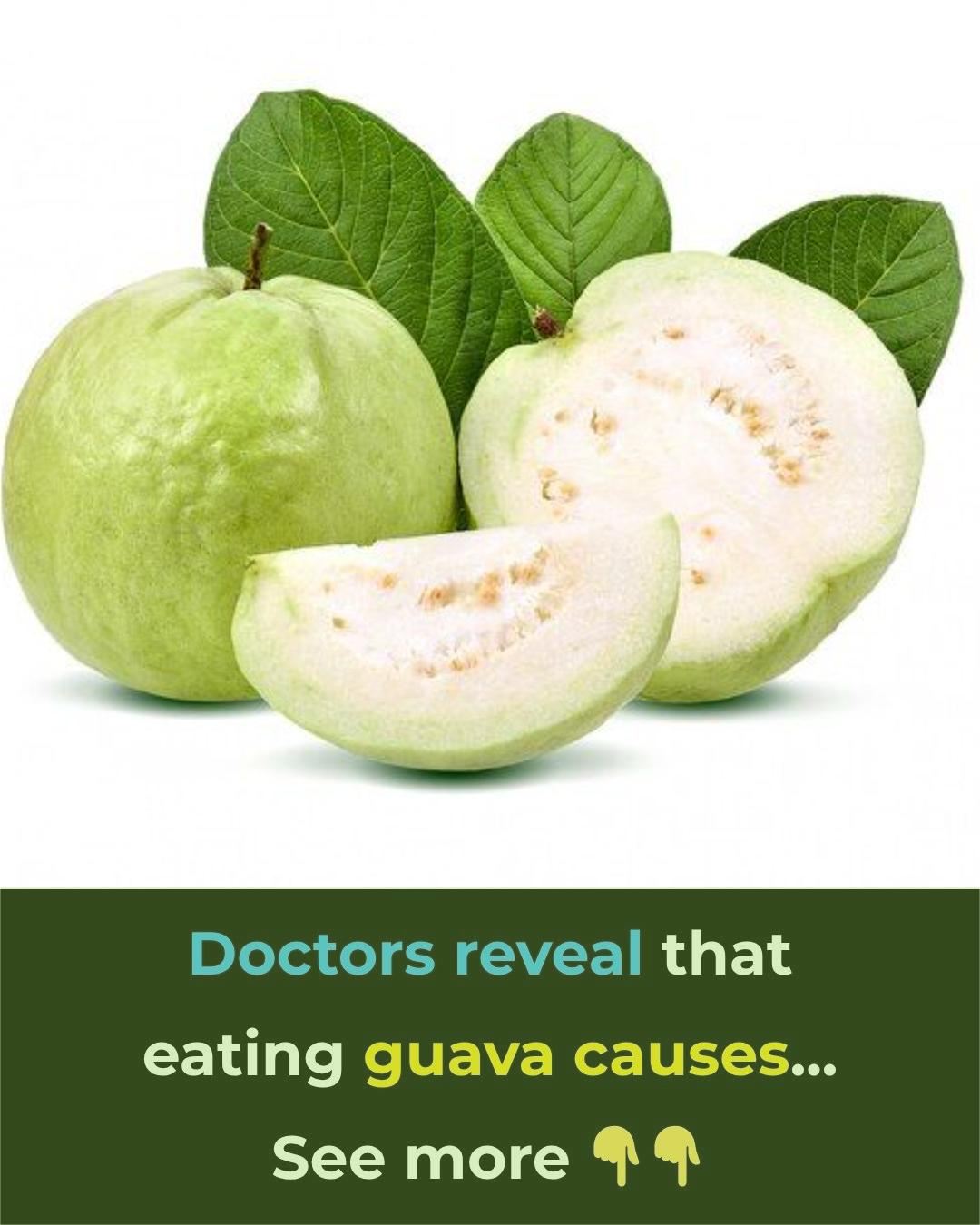
Guava is a nutritious fruit packed with vitamin C, fiber, and a variety of bioactive compounds. When eaten in normal amounts, it can support immunity, digestion, heart health, and even blood-sugar balance.
But like many healthy foods, too much guava — or eating it with certain medical conditions — can also lead to digestive discomfort, allergies, or blood-sugar interactions.
Here’s a clear breakdown of the benefits and the possible side effects, plus practical tips for safe daily use.
⭐ What Guava Helps With
1. Strong Immune Support — thanks to extremely high vitamin C
Guava is one of the richest natural sources of vitamin C, often providing more than 100% of the daily recommended value in a single fruit.
Vitamin C strengthens white blood cells, protects tissues from oxidative stress, and supports overall immune defenses. Regular intake helps your body respond more effectively to infections and inflammation.
2. Improved Digestion & Better Bowel Regularity — because of soluble + insoluble fiber
Guava contains both types of fiber:
Insoluble fiber adds bulk to stool and speeds up intestinal movement
Soluble fiber (like pectin) forms a gel that helps stabilize digestion
Together, they support smoother bowel movements, reduce constipation, and promote a healthier gut environment. Many people notice improved regularity after eating guava consistently.
3. Lower Post-Meal Blood Sugar — due to pectin + guava leaf compounds
The pectin in guava slows the absorption of glucose in the gut. This helps prevent sharp spikes in blood sugar after meals.
Guava leaf extracts, rich in flavonoids and other bioactives, have been shown in some studies to:
Improve insulin sensitivity
Lower post-meal glucose levels
Support metabolic health
Important: These effects are supportive, not a replacement for prescribed diabetes medications.
4. Heart-Health Benefits — from fiber, potassium, and antioxidants
Guava supports cardiovascular health in several ways:
Its fiber can help reduce LDL (“bad”) cholesterol
Its potassium helps regulate blood pressure and maintain normal heart rhythm
Its antioxidants reduce oxidative damage to arteries
Together, these nutrients may help lower the risk of heart disease when guava is part of a balanced diet.
5. Anti-Inflammatory & Antimicrobial Effects — due to plant phytochemicals
Guava leaves and peel contain compounds such as:
Polyphenols
Flavonoids
Tannins
These have documented anti-inflammatory, antimicrobial, and even mild pain-relieving effects in laboratory studies. This is why guava leaves have been used traditionally for diarrhea, gum problems, and wound care.
⚠️ What Guava Can Cause
see continuation on next page
ADVERTISEMENT
