
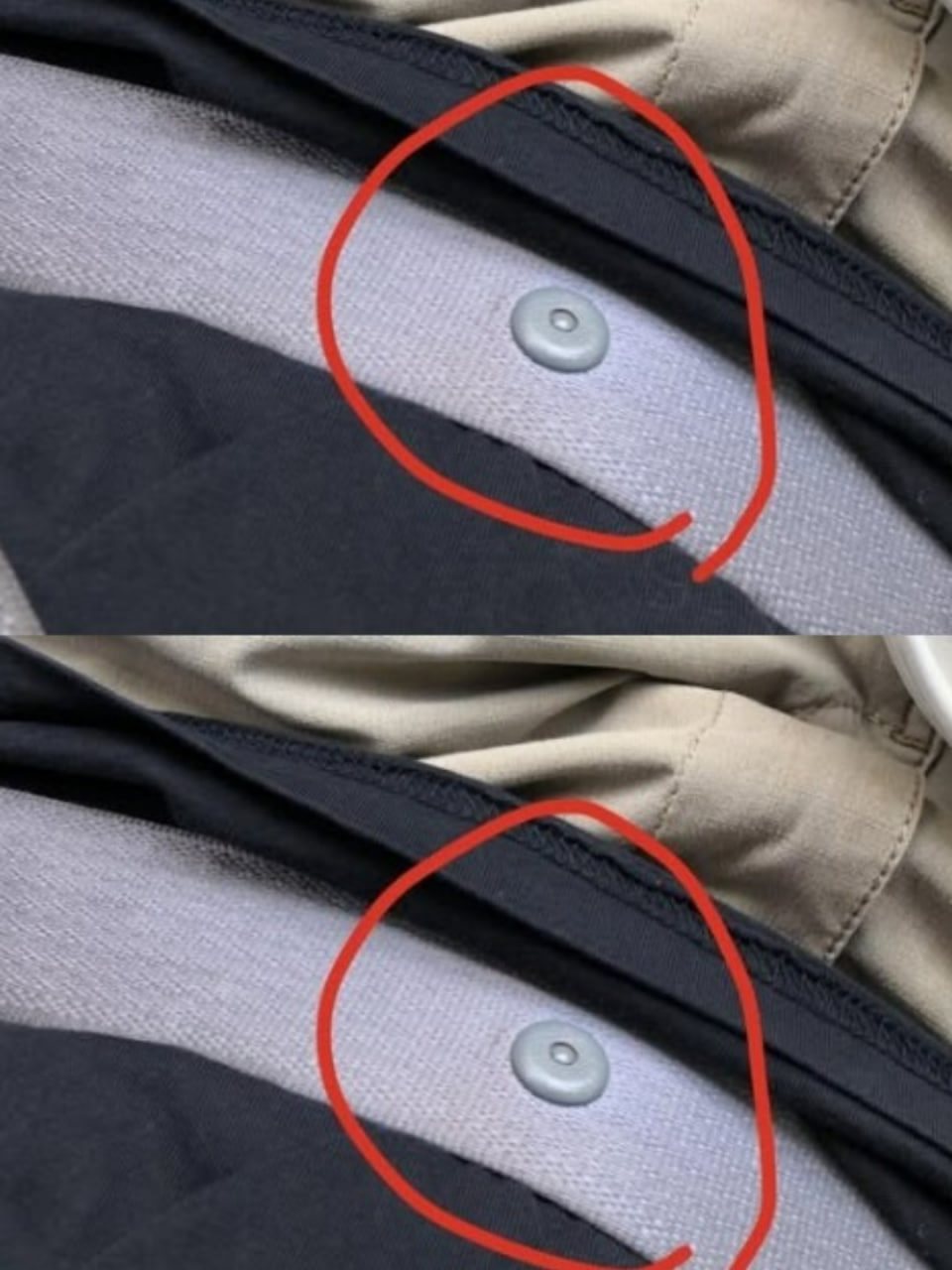
 Shorter drivers
Prevents belt from cutting across the neck
Taller passengers
Stops the belt from slipping behind the back
Pregnant women
Helps position the lap belt under the belly (though shoulder strap should still be used)
Kids in booster seats
Ensures proper belt alignment across the shoulder
 Never disable or block the seat belt — always wear it correctly.
 Common Myths Debunked
“It disconnects the seat belt”
No — it only adjusts height; the belt stays securely attached
“Only tall people need it”
False — short drivers often need it lowered for comfort
“Moving it damages the system”
No — it’s designed to slide safely along a metal rail
“All cars have it”
Not true — some older models don’t have adjustable anchors
 Check your owner’s manual — many vehicles label this feature inside the door jamb or in the safety section.
 Safety Tips You Need to Know
Always wear the seat belt properly
Shoulder strap over the shoulder, lap belt low on hips
Don’t let the belt rest under your arm or behind your back
In a crash, this can cause serious internal injuries
Teach passengers how to adjust it
Especially teens and frequent riders
Keep the track clean
Dust and debris can make adjustment harder over time
 According to the NHTSA, seat belts save thousands of lives each year — when worn correctly.
Final Thoughts
You don’t need a new car to drive safer.
Sometimes, the best upgrades are already built in — you just need to know how to use them.
So next time you’re buckling up…
pause.
Look at that little button.
Press it.
Adjust the strap.
Because real safety isn’t about gadgets.
It’s about using what you have — wisely, comfortably, and every single time.
And that kind of awareness?
It might just save your life.
ADVERTISEMENT
